


This control account is supported by an Accounts Receivable subsidiary ledger, tracking what each customer owes. For example, a sales ledger & debtor ledger control account summarizes the transactions entered with the individual accounts in the ledger. Any discrepancy or error is rectified before posting the same in the main ledger. Control accounts are summary ledger accounts that aggregate balances from detailed subsidiary ledgers. They are used to simplify general ledgers, improve reporting efficiency, reduce errors, and strengthen oversight.
Sales
- The information on this site must not be relied on as accurate or up-to-date.
- For auditors, these accounts are the map that guides them through the financial landscape of a company, highlighting areas that require further scrutiny.
- It is also called a controlling account because it enables us to perform reconciliation control on the ending balance.
- Edgewater CPA Group discusses this and why you need control accounts to manage business finances effectively.
- If there is a difference between the control account balance and subsidiary ledger you will need to investigate the reason.
- A control account also referred to as a controlling account, is an account within the general ledger that summarises all the transactions of a specific type.
This practice not only saves time but also reduces the risk of errors in the financial statements. In a small business the accounts can be kept in one accounting general ledger and a trial balance can be extracted from that ledger. The subsidiary ledgers are now part of the double entry system, and to extract a trial balance it would be necessary to collect information on the balances from QuickBooks each of the ledgers.
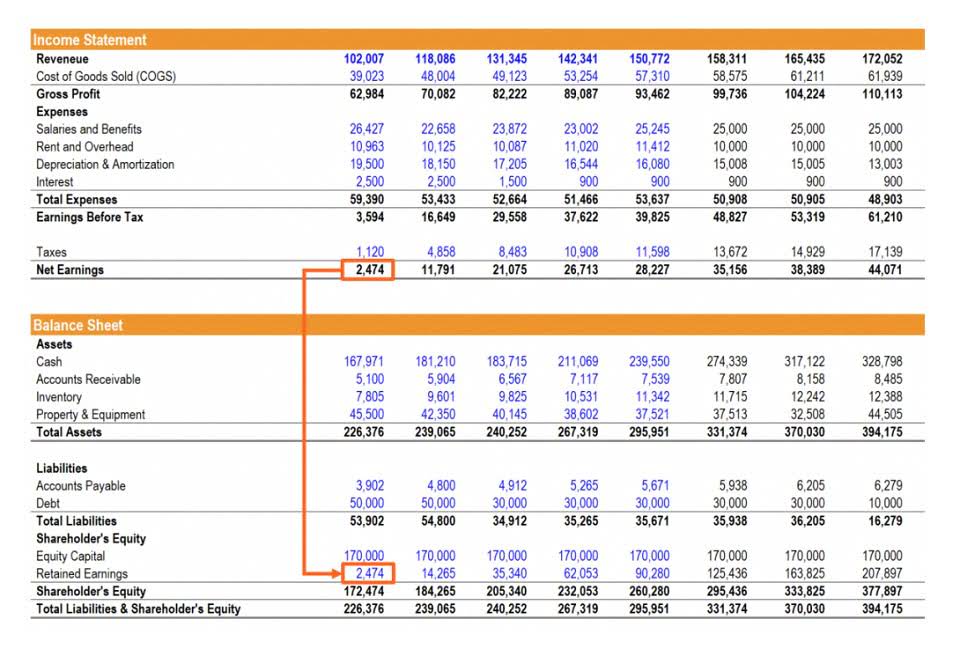
Control Account vs Subsidiary Ledger

To maintain clarity and accuracy, accounting systems organize this data efficiently. This ensures individual details are captured while a summarized overview remains available for financial analysis and reporting. Proper categorization and aggregation provide a comprehensive understanding of a company’s financial health. While these accounts are QuickBooks Accountant an essential tool for businesses, they also come with a certain amount of risk.
- A control account is a summarised account that maintains the records of the individual accounts in the ledger, and that is clarified and re-verified regularly.
- Firstly, control accounts provide a concise and organized overview of specific categories or groups of transactions, enabling easier analysis and decision-making.
- Here is an important point to learn which most of the students are confused with.
- A control account is a general ledger account that summarizes the balances of multiple related subsidiary ledger accounts.
- Receivable Control Account is also called Sales Ledger Control Account, similarly, Payable Control Accounts is sometimes called Purchase Ledger Control Account.
Control Account and Company’s Financial Statements

If you’re running a business, it’s important to understand accounting concepts well. These special accounts are used to track and report the financial status of specific areas or divisions within a company. Edgewater CPA Group discusses this and why you need control accounts to manage business control account accounting finances effectively.
- When you account for any financial transaction of a business, company, or other entity, you always need a debit entry and a corresponding credit entry…
- The end result is a financial report that communicates the amount of revenue recognized in a given period.
- Accounts Receivable is a common example, summarizing amounts owed to a business by its customers.
- It helps to ensure all the accounting transactions from Journal have been correctly posted into the Ledgers.
- This reconciliation process is performed regularly to ensure the accuracy of financial statements.
Key Control Accounts: Debtors and Creditors
Traditionally bookkeepers or other accounts personnel perform areconciliationon a regular basis between the control accounts (general ledger) and the total of the debtors or creditors ledger. A control account is used in bookkeeping and accounting to efficiently consolidate balances for summary and reporting purposes. They are a core accounting tool that aids ledger integrity and financial statement accuracy.
- In the case of an accounts receivable control account, the subtotal of the customer balances in the subledger must match up to the control account.
- A small organization can typically store all of its transactions in the general ledger, and so does not need a subsidiary ledger that is linked to a control account.
- For example, it could be because the customer has overpaid, whether due to an error in your original invoice or because they’ve accidentally duplicated payment.
- They are used to provide an organized and efficient way of managing and monitoring financial data in an accounting system.
- Implementing master accounts can transform your accounting process, making it more manageable and providing clearer financial insights.
- £800 is added to the control account as it represents an increase in the total amount owed by all customers.
What are control accounts and what are they used for?
The same principle of bookkeeping is followed for the other Control Accounts as well. Receivable Control Account is also called Sales Ledger Control Account, similarly, Payable Control Accounts is sometimes called Purchase Ledger Control Account. Secondly, each month we post the total of Sales Journal into the debit side of the Receivable Control Account, and the credit side of the Sales Ledger. The information on this site must not be relied on as accurate or up-to-date. We strongly advise you to seek the advice of accounting and tax professionals before making any accounting-related decisions.